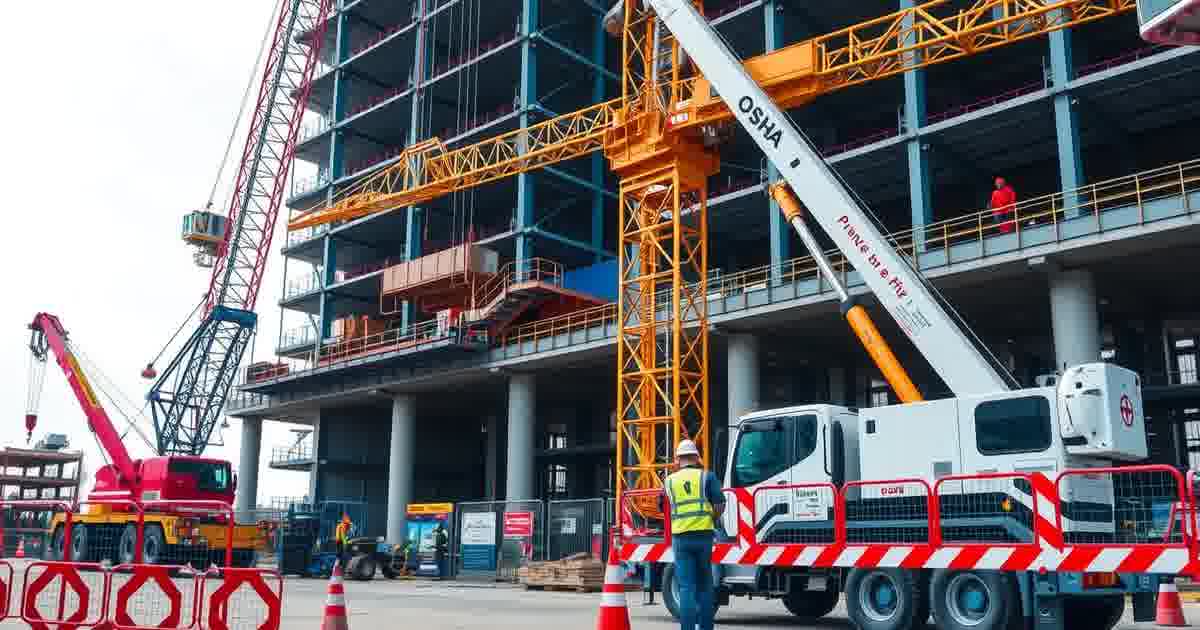
Alaska Crane

Crane Alaska

Crane insurance at www.crane-insurance.com for the best home

Alaska Crane

Alabama Crane
Alaska Crane
Alberta Crane
Arizona Crane
Arkansas Crane
British Columbia Crane
California Crane

Crane for Insurance
Crane
Alaska


Alaska

Alaska Crane

Health Insurance

The term health insurance is generally used to describe a form of insurance that pays for medical expenses. It is sometimes used more broadly to include insurance covering disability or long-term nursing or custodial care needs. It may be provided through a government-sponsored social insurance program, or from private insurance companies. It may be purchased on a group basis or purchased by individual consumers. In each case, the covered groups or individuals pay premiums or taxes to help protect themselves from high or unexpected healthcare expenses. Similar benefits paying for medical expenses may also be provided through social welfare programs funded by the government. Health insurance works by estimating the overall risk of healthcare expenses and developing a routine finance structure that will ensure that money is available to pay for the healthcare benefits specified in the insurance agreement. The benefit is administered by a central organization, most often either a government agency or a private or not-for-profit entity operating a health plan. Alaska
Crane Alaska
Alaska Crane
Crane Alaska

Crane Insurance

Crane Alaska Insurance
Alaska Links and sponsors


Network Crane Insurance Directory

Recycling criticism

Does recycling Save energy? There is controversy on just how much energy is saved through recycling. The EIA states on its website that "a paper mill uses 40 percent less energy to make paper from recycled paper than it does to make paper from fresh lumber." Critics often argue that in the overall processes, it can take more energy to produce recycled products than it does to dispose of them in traditional landfill methods. This argument is followed from the curbside collection of recyclables, which critics note is often done by a second waste truck in addition to the truck that picks up the regular trash. It is difficult to determine the exact amount of energy consumed in waste disposal processes. How much energy is used in recycling depends largely on the type of material being recycled and the process used to do so. Aluminum is generally agreed to use far less energy when recycled rather than being produced from scratch. The EPA states that "recycling aluminum cans, for example, saves 95 percent of the energy required to make the same amount of aluminum from its virgin source, bauxite." Economist Steven Landsburg has suggested that the sole benefit of reducing landfill space is trumped by the energy needed and resulting pollution from the recycling process. Others, however, have calculated through life cycle assessment that producing recycled paper uses less energy and water than harvesting, pulping, processing, and transporting virgin trees. By using less recycled paper, additional energy is needed to create and maintain farmed forests until these forests are as self-sustainable as virgin forests. Public policy analyst James V. DeLong points out that recycling is a manufacturing process and many of the methods use more energy than they save. In addition to energy usage, he notes that recycling requires capital and labor while producing some waste. These processes need to be more efficient than production from original raw material and/or traditional garbage disposal in order for recycling to be the superior method. Does Recycling Save money? The amount of money actually saved through recycling is proportional to the efficiency of the recycling program used to do it. The Institute for Local Self-Reliance argues that the cost of recycling depends on various factors around a community that recycles, such as landfill fees and the amount of disposal that the community recycles. It states that communities start to save money when they treat recycling as a replacement for their traditional waste system rather than an add-on to it and by "redesigning their collection schedules and/or trucks." In many cases the cost of recyclable materials also exceeds the cost of raw materials. Virgin plastic resin costs 40% less than recycled resin. In a 1996 article for The New York Times, John Tierney argued that it costs more money to recycle the trash of New York City than it does to dispose of it in a landfill. Tierney argued that the recycling process employs people to do the additional waste disposal, sorting, inspecting, and many fees are often charged because the processing costs used to make the end product are often more than the price gained from its sale. Wiki Recycling criticism
Resources


Alabama Crane
Alaska Crane
Alberta Crane
Arizona Crane
Arkansas Crane
British Columbia Crane
California Crane

Crane for Insurance
Crane
Canada Crane Canada
Colorado Crane
best Connecticut Crane Delaware Crane
District of Columbia Crane
Empty Crane
Florida Crane
Georgia Crane
Hawaii Crane
Home Crane
Idaho Crane
Illinois Crane
Indiana Crane
Iowa Crane
Kansas Crane
Kentucky Crane
Louisiana Blues Traveler
Maine Crane
Manitoba Crane
Maryland Crane
Massachusetts Crane
Michigan Crane
Minnesota Crane
Mississippi Crane
Missouri Crane
Montana Crane
Nebraska Crane
Nevada Crane
New Brunswick Crane
New Hampshire Crane
New Jersey Crane
New Mexico Crane
New York Crane
Newfoundland and Labrador Crane
North Carolina Crane
North Dakota Crane
Northwest Territories Crane
Nova Scotia Blues and Blues Boogie
Nunavut Insurance
Ohio Crane
Oklahoma Crane
Ontario Crane
Oregon Crane
Pennsylvania Crane
Plan Crane
Prince Edward Island Blues Boogie
Puerto Rico Crane
Quebec Insurance
Rhode Island Crane
Saskatchewan Crane
South Carolina Crane
South Dakota Crane
Tennessee Crane
Texas Crane
USA Crane
USA Crane
Utah Crane
Vermont Crane
Virgin Islands Crane
Virginia Crane
Washington Crane
West Virginia Crane
Wisconsin Crane
Wyoming Crane
Yukon Crane

Alaska Crane


Crane Auditions Alaska Insurance and Insurance Casting Crane Models Crane


Going green is the future Alaska Insurance


Alaska
123-short
Crane or Insurance and Insurance two