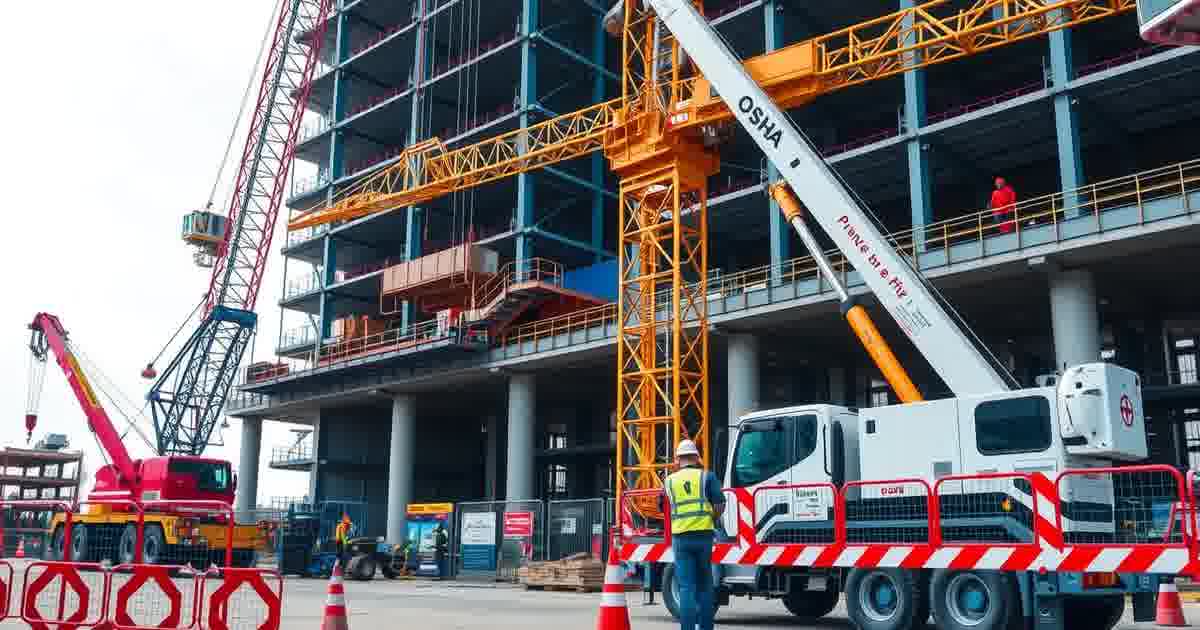
Arizona Crane

Crane Arizona

Crane insurance at www.crane-insurance.com for the best home

Arizona Crane

Alabama Crane
Alaska Crane
Alberta Crane
Arizona Crane
Arkansas Crane
British Columbia Crane
California Crane

Crane for Insurance
Crane
Arizona


Arizona

Arizona Crane

Health Insurance

The term health insurance is generally used to describe a form of insurance that pays for medical expenses. It is sometimes used more broadly to include insurance covering disability or long-term nursing or custodial care needs. It may be provided through a government-sponsored social insurance program, or from private insurance companies. It may be purchased on a group basis or purchased by individual consumers. In each case, the covered groups or individuals pay premiums or taxes to help protect themselves from high or unexpected healthcare expenses. Similar benefits paying for medical expenses may also be provided through social welfare programs funded by the government. Health insurance works by estimating the overall risk of healthcare expenses and developing a routine finance structure that will ensure that money is available to pay for the healthcare benefits specified in the insurance agreement. The benefit is administered by a central organization, most often either a government agency or a private or not-for-profit entity operating a health plan. Arizona
Crane Arizona
Arizona Crane
Crane Arizona

Crane Insurance

Crane Arizona Insurance
Arizona Links and sponsors


Car Insurance

In the United States, car insurance is compulsory in most states, though enforcement of the requirement varies from state to state. The state of New Hampshire, for example, does not require motorists to carry liability insurance, while in Virginia residents must pay the state a $500 annual fee per vehicle if they choose not to buy liability insurance. Penalties for not purchasing car insurance vary by state, but often involve a substantial fine, license and/or registration suspension or revocation, as well as possible jail time in some states. Usually, the minimum required by law is third party insurance to protect third parties against the financial consequences of loss, damage or injury caused by a vehicle.

Universal Life Insurance

Universal Life is a type of permanent life insurance based on a cash value. That is, the policy is established with the insurer where premium payments above the cost of insurance are credited to the cash value. The cash value is credited each month with interest, and the policy is debited each month by a cost of insurance charge, and any other policy charges and fees which are drawn from the cash value if no premium payment is made that month. The interest credited to the account is determined by the insurer; sometimes it is pegged to a financial index such as a bond or other interest rate index. The potential advantage of the universal life policy is in its flexibility and the potential for greater cash value growth if the interest rates offered outperform the insurer's general account (that whole life policy cash value growth is based on). Universal life is more flexible than whole life in two primary ways: the death benefit and usually the premium payment are flexible.

Term Life Insurance

Term life insurance or term assurance is life insurance which provides coverage for a limited period of time, the relevant term. After that period, the insured can either drop the policy or pay annually increasing premiums to continue the coverage. If the insured dies during the term, the death benefit will be paid to the beneficiary. Term insurance is often the most inexpensive way to purchase a substantial death benefit on a coverage amount per premium dollar basis. Term life insurance is the original form of life insurance and is considered to be pure insurance protection because it builds no cash value. This is in contrast to permanent life insurance such as whole life, universal life, and variable universal life. Term insurance functions in a manner similar to most other types of insurance in that it satisfies claims against what is insured if the premiums are up to date and the contract has not expired, and does not expect a return of Premium dollars if no claims are filed. As an example, auto insurance will satisfy claims against the insured in the event of an accident and a home owner policy will satisfy claims against the home if it is damaged or destroyed by, for example, an earthquake or fire. Whether or not these events will occur is uncertain, and if the policy holder discontinues coverage because he has sold the insured car or home the insurance company will not refund the premium. This is purely risk protection.

Online Shopping

Online shopping is the process consumers go through to purchase products or services over the Internet. An online shop, eshop, e-store, internet shop, webshop, webstore, online store, or virtual store evokes the physical analogy of buying products or services at a bricks-and-mortar retailer or in a shopping mall. The metaphor of an online catalog is also used, by analogy with mail order catalogs. All types of stores have retail web sites, including those that do and do not also have physical storefronts and paper catalogs. Online shopping is a type of electronic commerce used for business-to-business (B2B) and business-to-consumer (B2C) transactions.

Insurance

Insurance, in law and economics, is a form of risk management primarily used to hedge against the risk of a contingent loss. Insurance is defined as the equitable transfer of the risk of a loss, from one entity to another, in exchange for a premium, and can be thought of as a guaranteed small loss to prevent a large, possibly devastating loss. An insurer is a company selling the insurance; an insured is the person or entity buying the insurance. The insurance rate is a factor used to determine the amount to be charged for a certain amount of insurance coverage, called the premium. Risk management, the practice of appraising and controlling risk, has evolved as a discrete field of study and practice.

Insurance Companies

Insurance companies may be classified into two groups: Life insurance companies, which sell life insurance, annuities and pensions products. Non-life, General, or Property/Casualty insurance companies, which sell other types of insurance. In most countries, life and non-life insurers are subject to different regulatory regimes and different tax and accounting rules. The main reason for the distinction between the two types of company is that life, annuity, and pension business is very long-term in nature — coverage for life assurance or a pension can cover risks over many decades. By contrast, non-life insurance cover usually covers a shorter period, such as one year. In the United States, standard line insurance companies are "mainstream" insurers. These are the companies that typically insure autos, homes or businesses. They use pattern or "cookie-cutter" policies without variation from one person to the next. They usually have lower premiums than excess lines and can sell directly to individuals. They are regulated by state laws that can restrict the amount they can charge for insurance policies.

Home Insurance

Home insurance, also commonly called hazard insurance or homeowners insurance (often abbreviated in the real estate industry as HOI), is the type of property insurance that covers private homes. It is an insurance policy that combines various personal insurance protections, which can include losses occurring to one's home, its contents, loss of its use (additional living expenses), or loss of other personal possessions of the homeowner, as well as liability insurance for accidents that may happen at the home. It requires that at least one of the named insured occupies the home. The dwelling policy (DP) is similar, but used for residences which don't qualify for various reasons, such as non-occupancy or age. It is a multiple line insurance, meaning that it includes both property and liability coverage, with an indivisible premium, meaning that a single premium is paid for all risks. Standard forms divide coverage into several categories, and the coverage provided is typically a percentage of Coverage A, which is coverage for the main dwelling. The cost of homeowners insurance often depends on what it would cost to replace the house and which additional riders—additional items to be insured—are attached to the policy. The insurance policy itself is a lengthy contract, and names what will and what will not be paid in the case of various events. Typically, claims due to earthquakes, floods, "Acts of God", or war (whose definition typically includes a nuclear explosion from any source) are excluded. Special insurance can be purchased for these possibilities, including flood insurance and earthquake insurance. Insurance must be updated to the present and existing value at whatever inflation up or down, and an appraisal paid by the insurance company will be added on to the policy premium. Fire insurance will require a special premium charge, plus the addition of smoke detectors and on site fire suppression systems to qualify.

Title Insurance

Title insurance in the United States is indemnity insurance against financial loss from defects in title to real property and from the invalidity or unenforceability of mortgage liens. Title insurance is principally a product developed and sold in the United States as a result of the comparative deficiency of the US land records laws. It is meant to protect an owner's or lender's financial interest in real property against loss due to title defects, liens or other matters. It will defend against a lawsuit attacking the title as it is insured, or reimburse the insured for the actual monetary loss incurred, up to the dollar amount of insurance provided by the policy.
Resources


Alabama Crane
Alaska Crane
Alberta Crane
Arizona Crane
Arkansas Crane
British Columbia Crane
California Crane

Crane for Insurance
Crane
Canada Crane Canada
Colorado Crane
best Connecticut Crane Delaware Crane
District of Columbia Crane
Empty Crane
Florida Crane
Georgia Crane
Hawaii Crane
Home Crane
Idaho Crane
Illinois Crane
Indiana Crane
Iowa Crane
Kansas Crane
Kentucky Crane
Louisiana Blues Traveler
Maine Crane
Manitoba Crane
Maryland Crane
Massachusetts Crane
Michigan Crane
Minnesota Crane
Mississippi Crane
Missouri Crane
Montana Crane
Nebraska Crane
Nevada Crane
New Brunswick Crane
New Hampshire Crane
New Jersey Crane
New Mexico Crane
New York Crane
Newfoundland and Labrador Crane
North Carolina Crane
North Dakota Crane
Northwest Territories Crane
Nova Scotia Blues and Blues Boogie
Nunavut Insurance
Ohio Crane
Oklahoma Crane
Ontario Crane
Oregon Crane
Pennsylvania Crane
Plan Crane
Prince Edward Island Blues Boogie
Puerto Rico Crane
Quebec Insurance
Rhode Island Crane
Saskatchewan Crane
South Carolina Crane
South Dakota Crane
Tennessee Crane
Texas Crane
USA Crane
USA Crane
Utah Crane
Vermont Crane
Virgin Islands Crane
Virginia Crane
Washington Crane
West Virginia Crane
Wisconsin Crane
Wyoming Crane
Yukon Crane

Arizona Crane


Crane Auditions Arizona Insurance and Insurance Casting Crane Models Crane
Arizona Going green is the future Arizona Insurance Arizona


Arizona
123-short
Crane or Insurance and Insurance two